
How Big is the Dengue Problem?
Dengue is one of the fastest-growing mosquito-transmitted diseases. In 2024, there were more than 14 million people who contracted dengue worldwide — more than double the number the year before. Sadly, over 12,000 people died from it. Currently, 4 billion people live in regions where dengue is endemic. By 2050, that number could increase to 5 billion — which is a staggering half the globe’s population! Dengue strikes children hard in places like India, where in India, and some other countries, children are particularly affected by it. Most cases occur in or after the rainy season, with mosquitoes breeding in standing water. Children under 15 are half or more of the cases in some areas. If a child develops dengue a second time (from a different virus type), they are at greater risk of getting really sick. But with early care, most children recover fully from it and deaths are uncommon (less than 1 in 100 with proper assistance). [1], [2], [3].
What Does Dengue Look Like In Children? :
Dengue typically begins 4 to 10 days after a mosquito bite. The disease typically has three stages:
- Mild Dengue (Most Common). This occurs in 7 out of 10 children. Symptoms include:
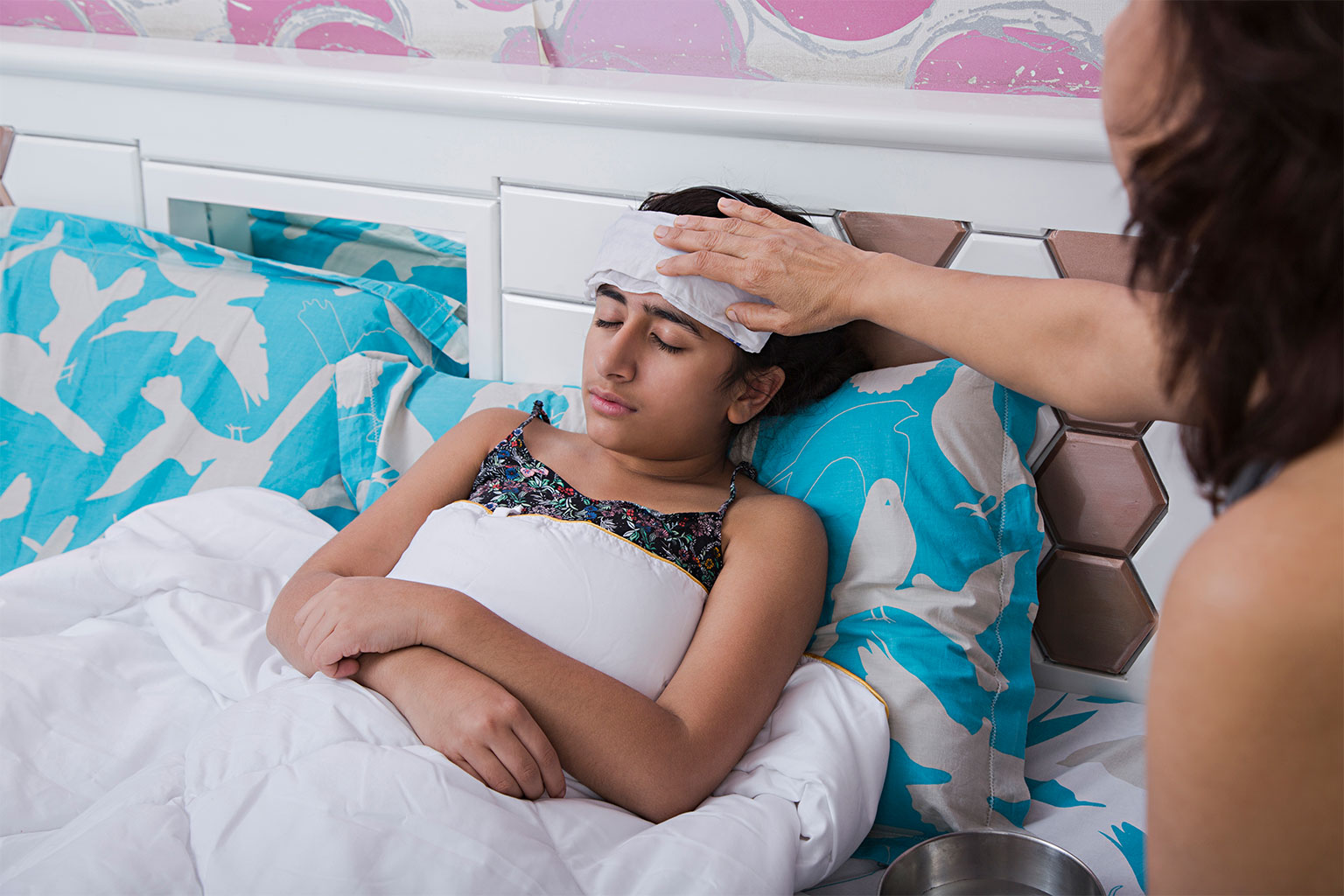
High fever up to 104°F / 40°C, for 2 to 7 days. Head pain and headache behind the eyes. Body aches — so much that it’s known as “break-bone fever”. Getting ill, vomiting or losing appetite. A red rash on the skin (small dots) after a few days. Minor bleeding — such as nosebleeds or bleeding gums. The fever might go down one day and return. This is normal in dengue. [4], [5].
- Dengue With Warning Signs (Get Help Quickly!). Around 2 to 3 out of 10 children present with these danger signs, which typically will occur 3 to 7 days after fever starts and may only happen when the fever starts to subside:
Severe stomach pain (especially on the right side). Vomiting again and again. Nose, gum bleeding, or blood in vomit/stool. Very sleepy or very restless and irritable. Belly swelling or labored breathing (fluid accumulation). Liver feels bigger (doctor can check). The skin becomes pink or flushed, and the hands and feet feel cold. If you’re seeing any of these — get to the hospital as soon as you can! This is where the child would rapidly deteriorate. [4], [6].
- Severe Dengue (Rare but Serious). Only 1–5 of 100 children reach this stage. It can cause:
- Shock — cold hands/feet, fast weak pulse, little urine.
- Heavy bleeding inside the body.
- Damage to organs such as the liver, heart or brain.
Babies and small children are at greater risk. But when they have early hospital care, it saves lives. [5], [7].
Why Early Action Matters. There is no medicine for killing the dengue virus. To keep the child stable, doctors treat symptoms and give fluids. Parents can help at home (for mild ones):
Give plenty of safe fluids — ORS, coconut water, diluted juice. Use only paracetamol for fever (not aspirin or ibuprofen). Let the child rest beneath a mosquito net. Be on the lookout for warning signs every day. If child looks worse after fever subsides, do not wait. That’s when severe dengue generally begins. [4].
How to Prevent Dengue.:
Get rid of standing water on a weekly basis — pots, coolers, old tires. Use mosquito nets, repellents, and long clothes. [8].
C-ANPROM/IN/QDE/0036, Date of Preparation: December 2025
References
-
1. World Health Organization. Dengue - Global situation. Geneva: WHO; 2024.
-
2. Singh S, Kumar R, Sharma S. Global dengue epidemic worsens with record 14 million cases and 9000 deaths reported in 2024. Int J Infect Dis. 2025;144:107074.
-
3. Bhatt S, Gething PW, Brady OJ, et al. The global distribution and burden of dengue. Nature. 2013;496(7446):504-7.
-
4. World Health Organization. Dengue: Guidelines for diagnosis, treatment, prevention and control. Geneva: WHO; 2009.
-
5. Trung DT, Thao LTT, Hien TT, et al. Clinical features and outcome in children with severe dengue. Pediatr Infect Dis J. 2018;37(6):539-44.
-
6. Balasubramanian S, Hariharan R. Dengue in children: Recognizing the warning signs early. [Provided document]. 2025.
-
7. Kulkarni A, Smith J, Lee M, et al. Severe disease during both primary and secondary dengue virus infections in pediatric populations. Nat Med. 2024;30(12):3330-9.
-
8. World Health Organization. Background paper on dengue vaccines. SAGE working group. Geneva: WHO; 2018.